Webflow vs WordPress for Startups in 2026 | Which Is Better?
.webp)
Choosing the right website platform is one of the most important decisions a startup can make in 2026. Your website is no longer just a digital presence — it’s your sales engine, brand identity, lead generation tool, and first impression all combined into one. The challenge is that founders often get stuck between two major options: Webflow and WordPress.
Both platforms are powerful, but they serve different business goals, workflows, and growth strategies. Startups looking for faster performance, cleaner user experiences, and easier scalability are increasingly turning toward a modern webflow development company to build conversion-focused websites that feel polished from day one.
So which platform is actually better for startups in 2026? The answer depends on your priorities, budget, growth plans, and technical needs.
Why This Decision Matters More Than Ever
Today’s users expect:
- Fast-loading websites
- Smooth mobile experiences
- Modern design quality
- Easy navigation
- Secure browsing
- Clean user experiences
A poorly built website can damage trust instantly. Startups need platforms that support:
- Scalability
- SEO performance
- Flexible design
- Better conversions
- Easy maintenance
This is why choosing between Webflow and WordPress is more than a technical decision — it directly impacts growth.
Understanding WordPress
WordPress has been one of the most popular website platforms for years. It powers millions of websites worldwide because of its flexibility and large plugin ecosystem.
Advantages of WordPress
- Huge library of plugins
- Flexible customization
- Large developer community
- Suitable for blogs and content-heavy sites
- Can support advanced functionality
WordPress works especially well for businesses needing:
- Complex backend systems
- Membership platforms
- Ecommerce stores
- Large-scale content management
However, flexibility often comes with complexity.
Challenges Startups Face With WordPress
Many startups discover that WordPress requires:
- Constant plugin updates
- Security monitoring
- Ongoing maintenance
- Hosting management
- Performance optimization
As plugins increase, websites often become slower and harder to manage. For non-technical founders, this can create frustration and unexpected costs over time.
Understanding Webflow

Webflow has become one of the fastest-growing website platforms for startups, SaaS brands, and modern businesses. Unlike traditional website builders, Webflow combines visual design flexibility with cleaner development structure.
Advantages of Webflow
- Cleaner and faster websites
- Visual development system
- Better default performance
- Modern animations and interactions
- Reduced plugin dependency
- Easier maintenance
Webflow is particularly attractive for startups focused on:
- Brand presentation
- Conversion optimization
- Modern UI/UX
- Speed and responsiveness
- Faster launch timelines
Because Webflow reduces technical complexity, founders can focus more on growth instead of maintenance issues.
Design Flexibility: Which Platform Wins?
Both platforms support custom designs, but the workflow differs significantly.
WordPress Design Experience
WordPress often relies heavily on:
- Themes
- Page builders
- Plugins
- External integrations
While customization is possible, achieving truly polished designs may require advanced development support.
Webflow Design Experience
Webflow offers:
- Visual pixel-level control
- Built-in responsive design tools
- Advanced animation capabilities
- Cleaner front-end structurebest webflow agency for small businesses
This allows startups to create highly modern websites without relying on dozens of external plugins.
Businesses investing in custom webflow design and development for business often benefit from faster workflows and more visually consistent digital experiences.
SEO Performance Comparison
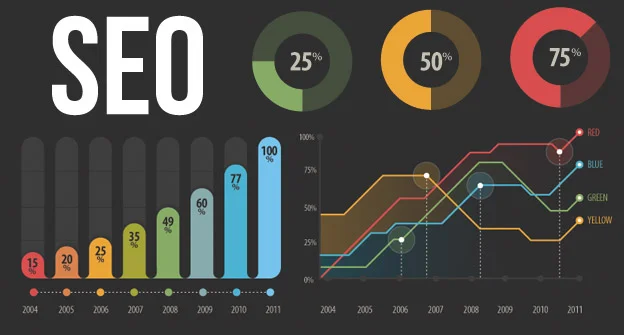
SEO matters heavily for startups trying to grow organically.
WordPress SEO
WordPress can perform extremely well for SEO, especially when configured properly with plugins and optimized hosting.
However, SEO performance often depends on:
- Plugin quality
- Site speed
- Technical maintenance
- Hosting performance
Webflow SEO
Webflow offers strong SEO features built directly into the platform, including:
- Clean code structure
- Fast loading speeds
- Easy meta tag management
- Responsive design optimization
- Automatic SSL support
For many startups, Webflow provides a more streamlined SEO setup with fewer technical complications.
Website Speed and Performance
Performance directly affects:
- Bounce rates
- Conversion rates
- User satisfaction
- SEO rankings
WordPress Performance
WordPress Website Development can become slow if overloaded with plugins, poor hosting, or unoptimized themes.
Webflow Performance
Webflow websites are generally:
- Faster by default
- Better optimized
- More lightweight
- Easier to maintain
In 2026, website speed is no longer optional. Users expect near-instant experiences.
Maintenance and Security
Security and maintenance are major concerns for growing startups.
WordPress Maintenance
With WordPress, businesses often need to manage:
- Plugin conflicts
- Security patches
- Hosting issues
- Backup systems
- Version updates
Webflow Maintenance
Webflow handles:
- Hosting
- Security updates
- SSL certificates
- Infrastructure management
This creates a more hands-off experience for founders.
Which Platform Is Better for Startups?
Choose WordPress If:
- You need highly advanced backend functionality
- Your site depends heavily on plugins
- You manage large-scale content publishing
- You need highly custom integrations
Choose Webflow If:
- You prioritize modern design
- You want faster development
- You care about speed and UX
- You want easier maintenance
- You want cleaner workflows
For many modern startups, Webflow offers a better balance between design quality, scalability, and operational simplicity.
That’s why many founders now work with the best webflow agency for small businesses to create professional websites that support long-term growth without technical headaches.
Final Thoughts
Both Webflow and WordPress remain powerful platforms in 2026, but the right choice depends on your business goals and operational needs.
WordPress still dominates in flexibility and ecosystem size, while Webflow continues leading in modern design experiences, speed, and simplicity. Startups looking to move fast, build trust, and create visually polished digital experiences are increasingly choosing Webflow as their preferred platform.
For businesses wanting conversion-focused websites, scalable digital experiences, and modern UI/UX solutions, agencies like The Small Square help transform startup ideas into high-performing digital products.



Accepted Payments

