How Minimalist Design Improves User Decision Making

In today’s digital landscape, users are constantly bombarded with information, visuals, and choices. When a website presents too many elements at once, it can overwhelm visitors and make decision-making harder. This is where minimalist design becomes powerful. By focusing on clarity, simplicity, and purpose, businesses can guide users toward the actions that matter most.
For modern digital products and startup websites, combining minimalist principles with a framer development company approach allows brands to create visually clean interfaces that remain highly functional and conversion-focused.
What Is Minimalist Web Design?
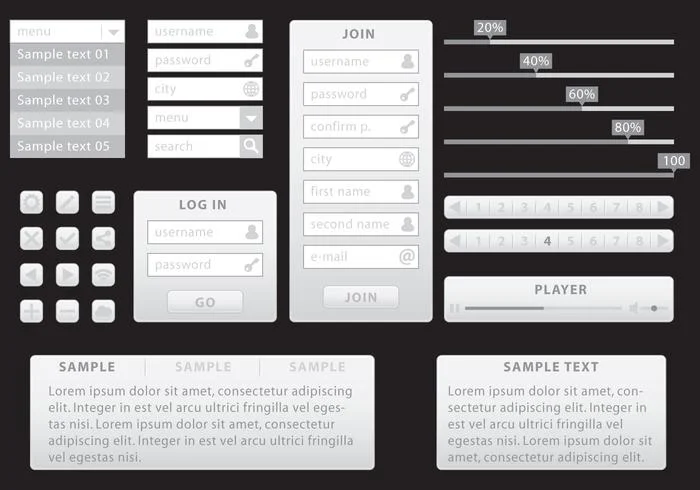
Minimalist web design is the practice of removing unnecessary elements and focusing only on what truly matters for the user experience. Instead of filling pages with excessive visuals, animations, and text, minimalist design emphasizes:
- Clean layouts
- Clear messaging
- Strategic spacing
- Focused visual hierarchy
The goal is not to make a website look empty but to make every element intentional and useful.
Why Too Many Choices Confuse Users

Psychology research often shows that when people are presented with too many options, they struggle to make decisions. This concept is commonly referred to as choice overload.
On websites, choice overload appears when users encounter:
- Too many navigation links
- Multiple competing call-to-actions
- Cluttered page layouts
- Excessive text and visuals
When users feel overwhelmed, they often choose the easiest option: leaving the website.
Minimalist design solves this problem by simplifying the decision-making process.
How Minimalist Design Guides User Behavior
A well-designed minimalist interface makes it easier for visitors to understand what they should do next. Instead of forcing users to analyze many elements, the design naturally guides their attention.
This approach improves decision making in several key ways.
Clear Visual Hierarchy
Minimalist layouts prioritize important elements such as headlines, product information, and call-to-action buttons. By removing distractions, users instantly understand where to focus.
A clear visual hierarchy helps visitors scan content faster and move through the website more confidently.
Faster Information Processing
When users land on a clean page, they can process information quickly. Minimalist designs reduce cognitive load, meaning users don’t have to spend extra effort figuring out what matters.
This leads to smoother navigation and better engagement.
Stronger Focus on Key Actions
One of the biggest advantages of minimalist design is that it highlights the most important action on the page. Whether the goal is signing up, booking a call, or purchasing a product, minimalist pages make the next step obvious.
By removing competing elements, businesses can significantly improve conversion rates.
The Role of White Space in Decision Making
White space, also known as negative space, is one of the most powerful tools in minimalist design. Rather than filling every area with content, designers intentionally leave space between elements.
This spacing helps users:
- Focus on important content
- Read text more comfortably
- Navigate pages more easily
White space also creates a sense of professionalism and trust, which can positively influence how users perceive a brand.
Minimalism and Website Performance

Minimalist design does more than improve decision making—it also improves website performance. Fewer visual elements and lighter layouts usually mean faster loading times.
A fast and simple interface ensures that users can interact with the website quickly without delays or distractions.
This is especially important for mobile users, where screen space and loading speed play a crucial role in the overall experience.
Why Startups and SaaS Products Prefer Minimal Design
Many successful startups and SaaS platforms rely on minimalist design because it aligns with their business goals. These products often need to explain complex ideas in a simple and accessible way.
Minimalist design helps by:
- Simplifying product messaging
- Highlighting key features
- Improving onboarding experiences
- Encouraging faster user decisions
When users clearly understand the value of a product, they are more likely to engage with it.
The Future of Web Interfaces
As digital products continue to evolve, simplicity will become even more valuable. Users increasingly prefer interfaces that are easy to understand, fast to navigate, and visually calm.
Minimalist design is not about removing creativity—it’s about focusing creativity on the elements that truly matter.
Businesses that embrace simplicity will be able to create digital experiences that feel intuitive, modern, and highly effective.
Final Thoughts
Minimalist design plays a powerful role in helping users make quicker and more confident decisions. By eliminating unnecessary distractions and emphasizing clarity, websites can guide visitors toward meaningful actions without overwhelming them.
For companies building modern digital products, working with experts like The Small Square ensures that minimalist design principles are applied effectively while maintaining performance, usability, and business impact.



Accepted Payments

