Essential Web Design Trends Every Business Should Follow
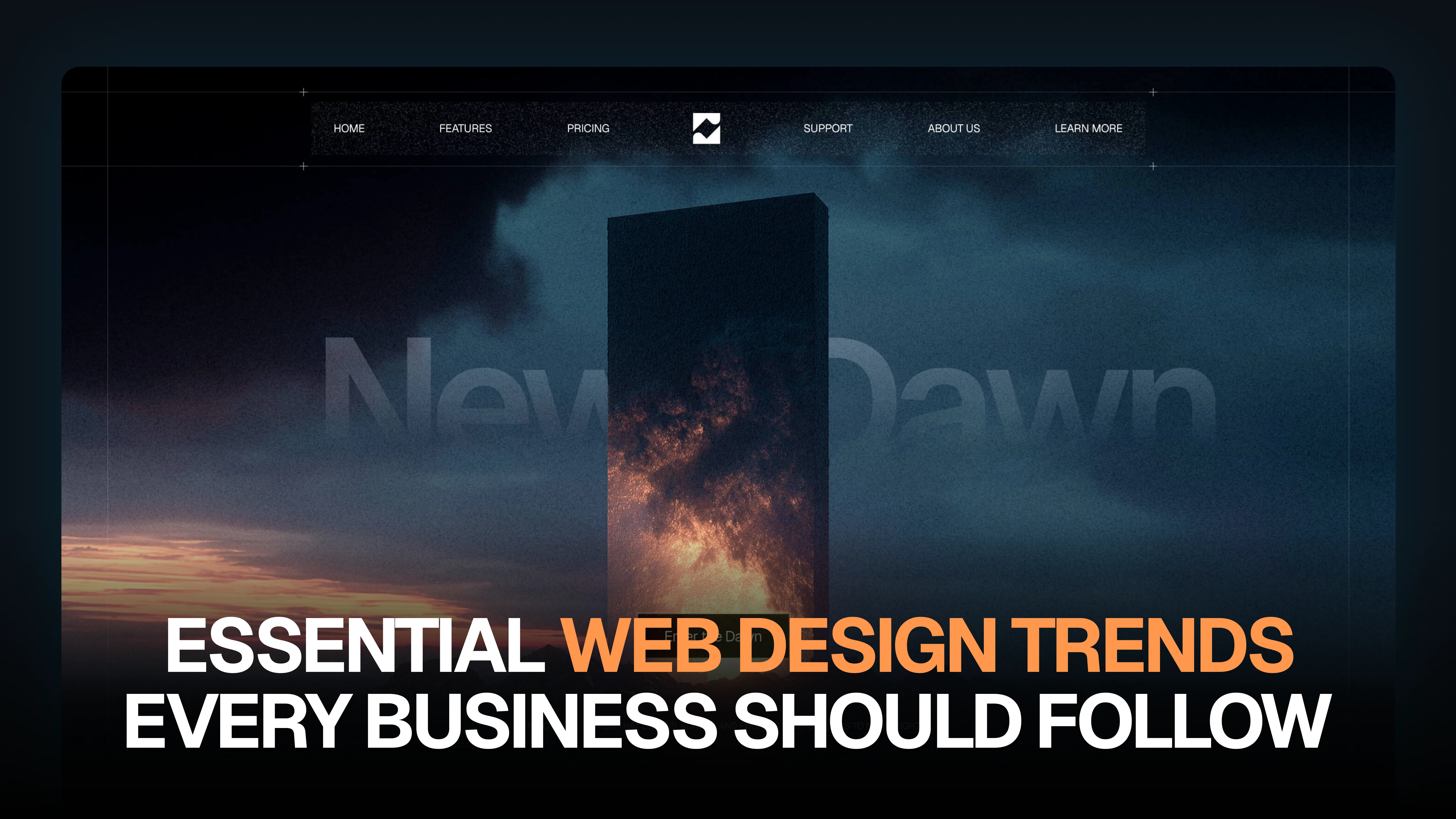
Your website is no longer just a digital brochure — it is your brand’s first impression, sales representative, and trust builder all in one. In today’s competitive online space, businesses cannot afford outdated layouts or slow-loading pages. Customers expect seamless experiences, fast performance, and visually engaging designs.
If your website fails to meet modern expectations, visitors will simply move to a competitor. That is why staying updated with essential web design trends is not optional anymore — it is a growth strategy.
Below are the most important web design trends every business should follow to stay relevant and conversion-focused.
1. Conversion-Focused Layouts
Modern web design is no longer about adding flashy elements everywhere. It is about guiding users toward action. A well-structured layout ensures visitors know exactly where to look and what to do next.
Clear call-to-action buttons, strategically placed contact forms, and well-defined sections help reduce confusion. The easier you make it for users to take action, the higher your conversion rate will be.
Smart businesses now prioritize simplicity with purpose — every section, image, and button should support a business goal.
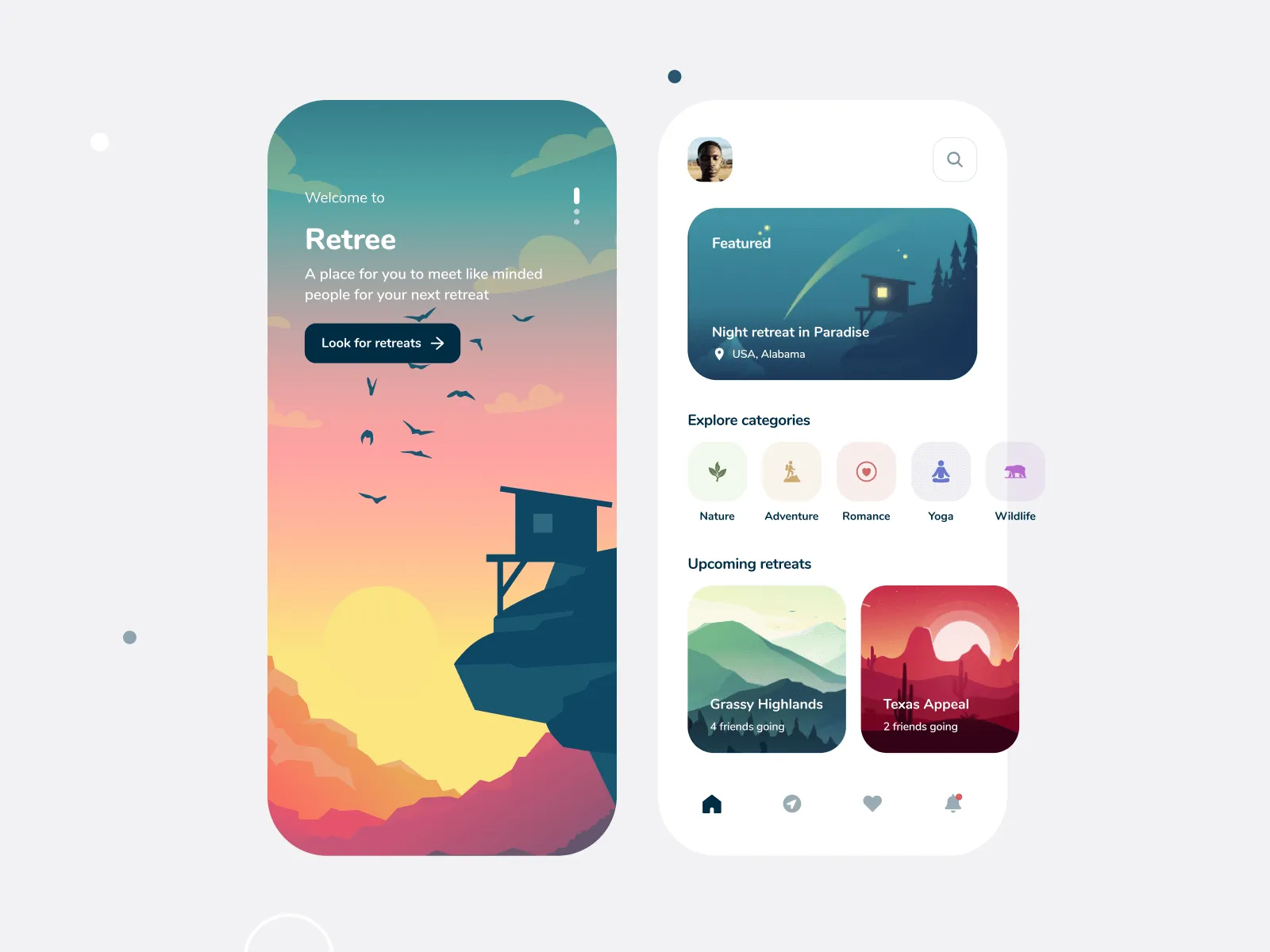
2. Mobile-First Design Approach
More than half of website traffic now comes from mobile devices. If your website is not optimized for smartphones and tablets, you are automatically losing potential customers.
Mobile-first design means building the mobile experience first, then scaling up for desktop. This approach ensures:
- Faster load times
- Thumb-friendly navigation
- Easy-to-read typography
- Simplified user journeys
A responsive design is no longer enough. Businesses must ensure their websites feel natural and intuitive on smaller screens.
3. Speed & Performance Optimization
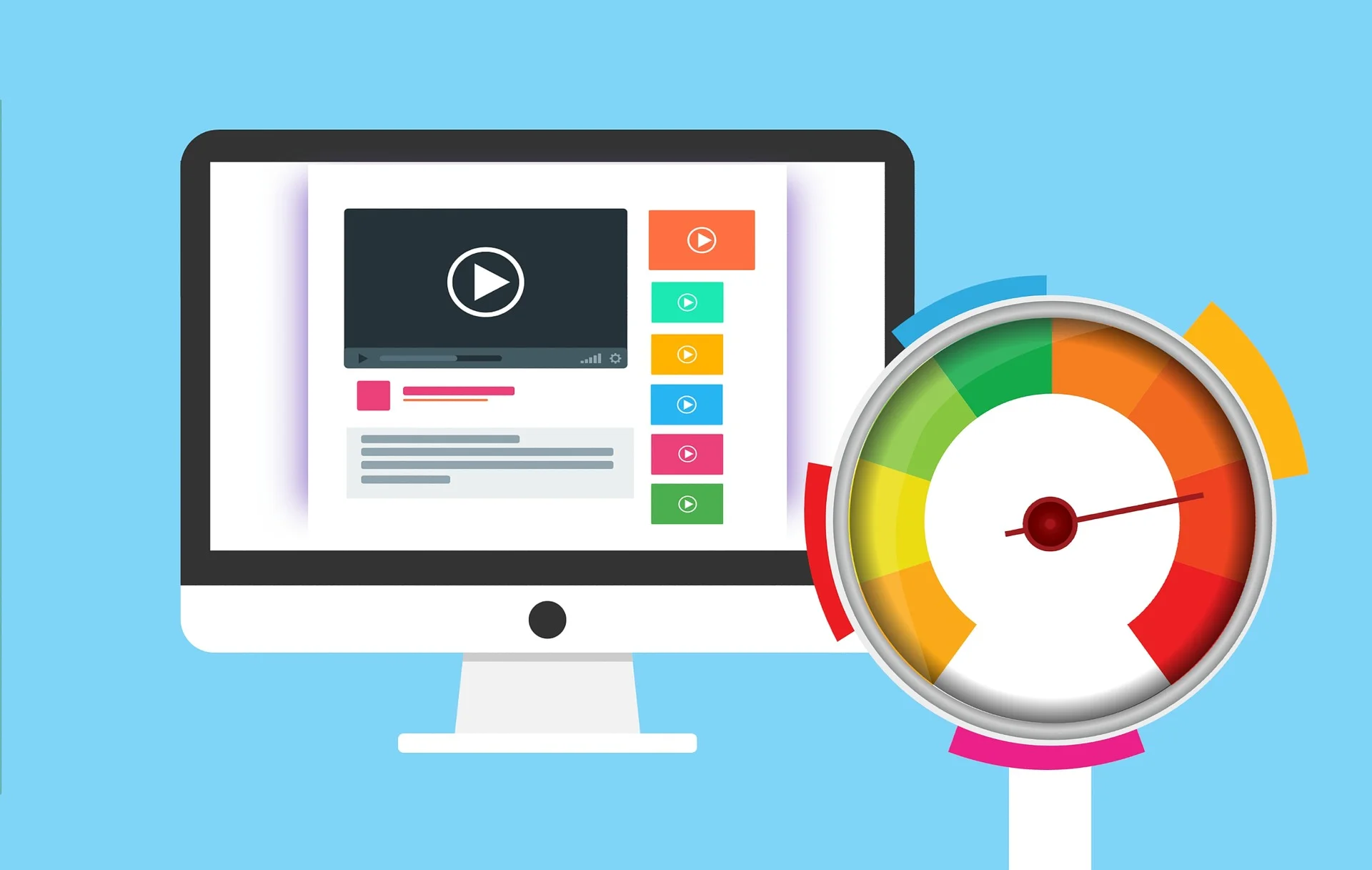
Speed directly impacts user experience and search engine rankings. Studies show that users abandon websites that take more than a few seconds to load.
Modern websites are designed with performance in mind. This includes:
- Optimized images
- Lightweight coding structure
- Clean frameworks
- Reduced unnecessary animations
A fast website not only improves engagement but also builds trust. Customers associate speed with professionalism.
4. Improved User Experience (UX)

User experience has become the backbone of modern web design. It focuses on how visitors interact with your website and how easy it is for them to find information.
Good UX includes:
- Clear navigation menus
- Logical page hierarchy
- Readable fonts
- Consistent branding
- Minimal distractions
Businesses that invest in improving UX often see better engagement, lower bounce rates, and higher conversions. When users feel comfortable on your website, they stay longer — and staying longer increases the chances of conversion.
5. Modern Visual Storytelling
Visual storytelling continues to shape web design. High-quality images, subtle animations, interactive elements, and engaging headlines create memorable experiences.
However, modern storytelling is strategic — not overwhelming. Clean sections, adequate white space, and focused messaging ensure that visitors absorb information without feeling overloaded.
A professional web development services company understands how to balance creativity with functionality, ensuring your website not only looks impressive but also performs effectively.
6. Trust-Centered Design Elements
Design trends are shifting toward building credibility. Businesses are incorporating:
- Client testimonials
- Case studies
- Secure payment badges
- Clear contact information
- Transparent service descriptions
Trust-driven design increases confidence and reduces hesitation during the buying process. When visitors trust your brand, they are far more likely to convert.
Why Following These Trends Matters
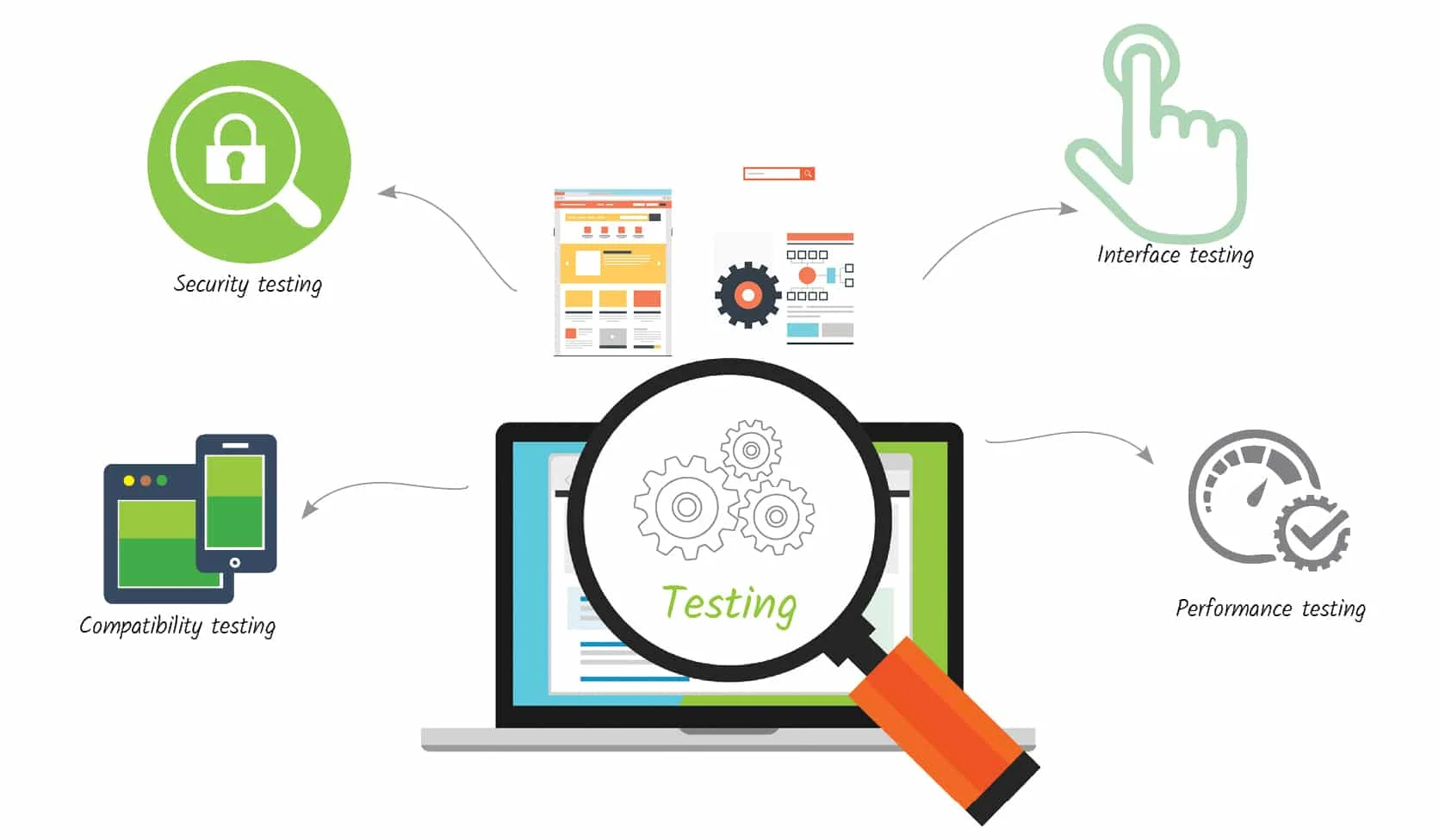
Web design is constantly evolving. What worked two years ago may now look outdated. Businesses that regularly update their websites signal growth, professionalism, and reliability.
More importantly, modern web design impacts:
- Search engine rankings
- User engagement
- Lead generation
- Brand perception
- Revenue growth
Your website should not just exist — it should actively support your business goals.
The Bottom Line
Following essential web design trends is about more than aesthetics. It is about creating a digital experience that attracts visitors, builds trust, and converts them into customers. From mobile-first layouts and faster performance to improved UX and conversion-focused design, each trend plays a role in business success.
If you want a website that reflects professionalism, delivers results, and keeps your brand ahead of competitors, it is time to work with experts who understand both design and strategy.
The Small Square can help you transform your online presence with modern, performance-driven web design solutions tailored to your business goals.



Accepted Payments

