How to Create a High-Trust Website for Your Brand

Trust is the foundation of every successful business. No matter how great your product or service is, customers will hesitate if your website does not feel credible. In today’s digital marketplace, your website is often the first interaction someone has with your brand. Within seconds, visitors decide whether to stay or leave.
Creating a high trust website is not about adding random design elements. It is about building confidence through structure, transparency, performance, and user experience. Below are the key strategies every business should follow to establish trust online and turn visitors into loyal customers.
1. Professional and Clean Design
First impressions matter. A cluttered layout, outdated visuals, or inconsistent branding can immediately reduce credibility.
A high trust website should have:
- Consistent colors and typography
- Clear section spacing
- High-quality visuals
- Logical content structure
Minimal and well-organized design communicates professionalism. Visitors subconsciously associate clean layouts with reliable businesses.
2. Clear Navigation and User Experience

Confusing navigation creates frustration. If visitors cannot find what they need quickly, they leave.
To build trust, ensure your website includes:
- Easy-to-understand menu labels
- Simple navigation structure
- Clear call-to-action buttons
- Fast-loading pages
User experience plays a major role in credibility. When people feel comfortable browsing your website, they are more likely to explore your services and take action.
3. Transparency Builds Confidence
Transparency is one of the strongest trust signals online.
Make sure your website clearly displays:
- Contact information
- Physical address (if applicable)
- Business email
- Company background
- Team members
An “About Us” page with real information humanizes your brand. Visitors want to know who they are dealing with. The more transparent you are, the more confident they feel.
4. Social Proof and Testimonials
.webp)
People trust people. That is why testimonials, case studies, and reviews are powerful credibility boosters.
Include:
- Client testimonials
- Before-and-after results
- Case studies
- Verified reviews
When potential customers see that others have successfully worked with you, hesitation decreases. Social proof reassures visitors that they are making the right decision.
5. Security and Privacy Assurance
Online users are more cautious than ever. Security is no longer optional.
Your website must include:
- SSL certificate (HTTPS)
- Secure payment gateways
- Privacy policy page
- Terms and conditions
Security badges and visible encryption indicators help visitors feel safe sharing their information. Trust increases when users know their data is protected.
6. High-Quality, Relevant Content
Content plays a major role in building authority. Informative blog posts, service pages, and clear service descriptions position your brand as knowledgeable and professional.
Avoid vague claims. Instead, explain:
- What you offer
- How your process works
- What makes you different
- What results clients can expect
Businesses that invest in custom website development service often create tailored platforms that align perfectly with their brand identity and customer expectations, strengthening trust even further.
7. Fast Performance and Mobile Optimization
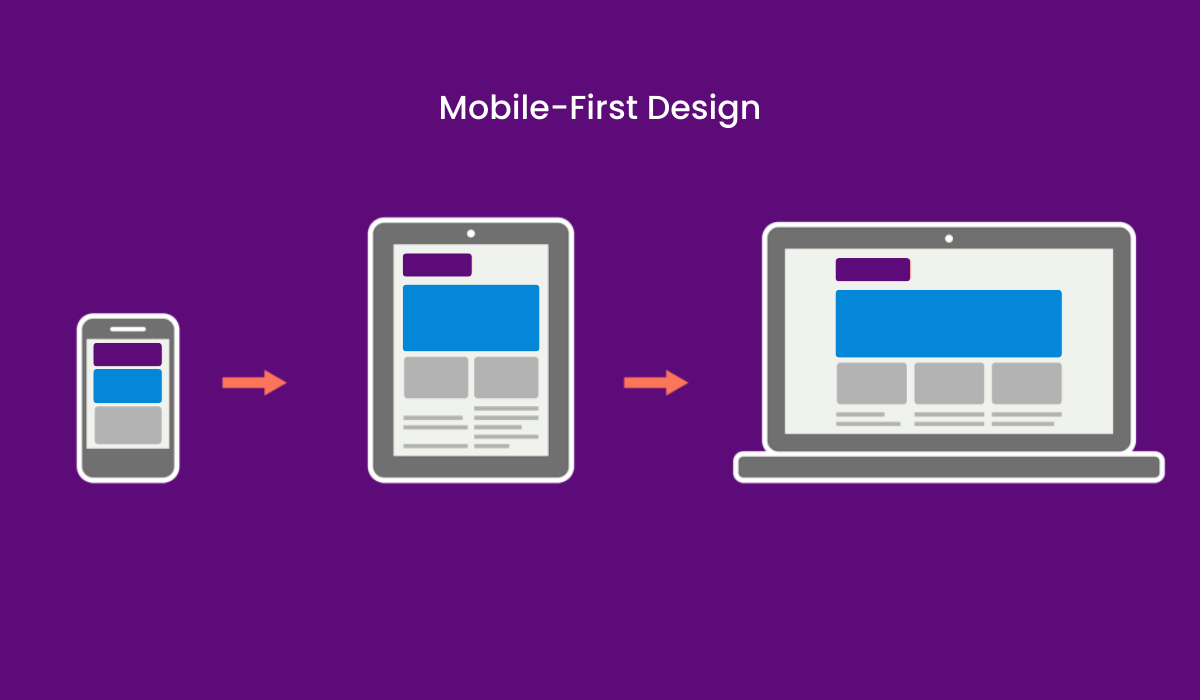
Slow websites damage credibility. Visitors often interpret lagging pages as unprofessional or unreliable.
To maintain trust:
- Optimize images
- Use lightweight design structures
- Ensure mobile responsiveness
- Test page speed regularly
A smooth, responsive website signals that your business pays attention to detail.
Why Trust-Focused Design Matters
A high trust website does more than look good — it converts. When visitors trust your brand, they:
- Spend more time exploring
- Fill out contact forms
- Make purchases
- Recommend your services
Trust reduces friction in the decision-making process. Without it, even the best marketing strategy struggles to generate results.
Your website should communicate reliability at every step — from the homepage to the checkout page.
The Bottom Line
Creating a high-trust website requires thoughtful design, strong security, transparent communication, and a seamless user experience. Every detail — from navigation structure to testimonials — contributes to how visitors perceive your brand.
If your goal is to build lasting credibility and increase conversions, working with experienced professionals can make all the difference.
The small square helps businesses create secure, conversion-focused websites designed to build trust and long-term growth.



Accepted Payments

