How AI Is Changing the Future of Web Development
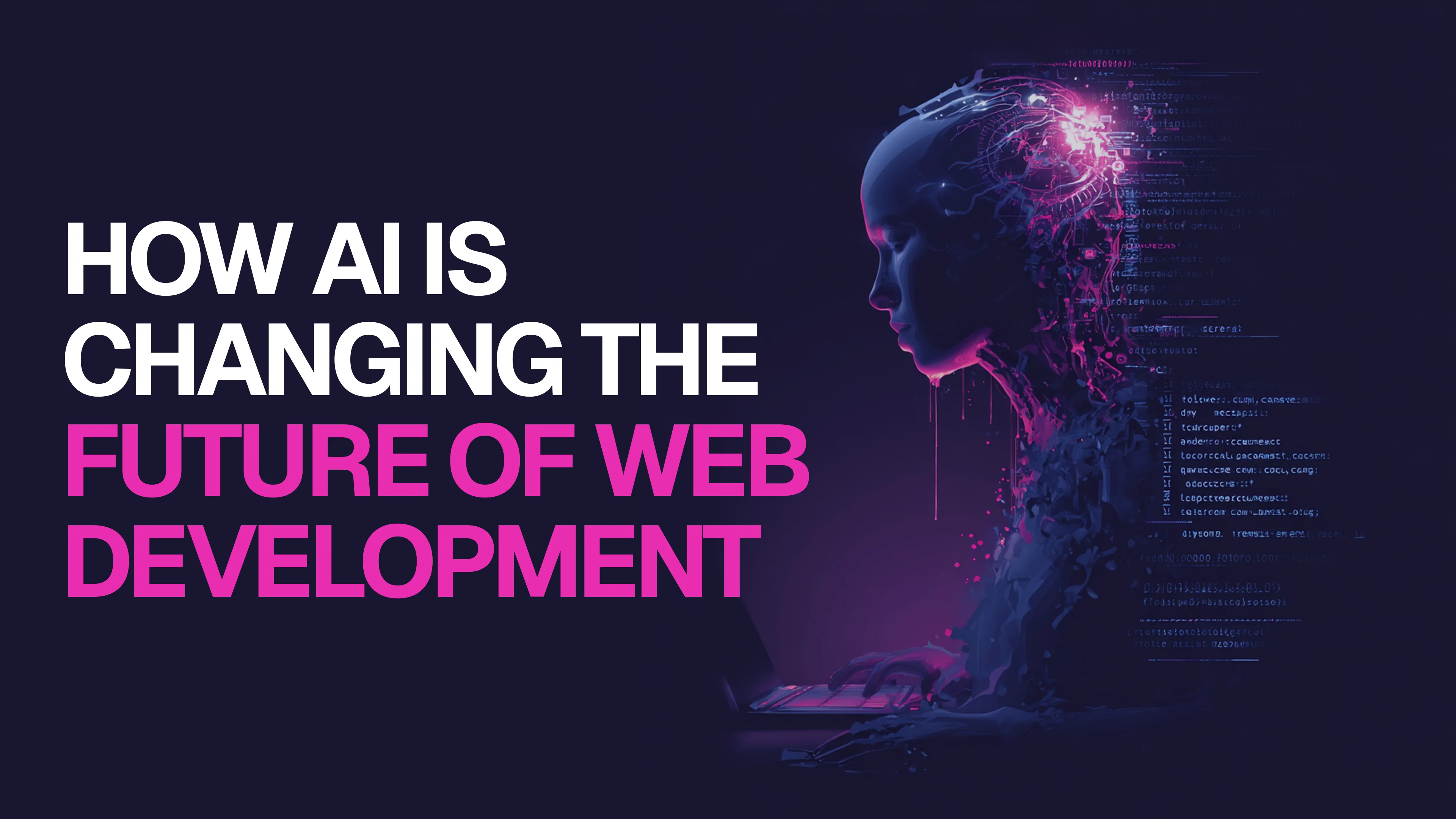
Artificial Intelligence is no longer a futuristic concept—it’s actively reshaping the way websites are designed, developed, optimized, and maintained. From automated coding tools to intelligent user experiences, AI is transforming the web development landscape faster than ever before.
Businesses that understand this shift are gaining a competitive advantage. Those that ignore it risk falling behind. Let’s explore how AI is changing the future of web development and what it means for companies looking to build smarter, faster, and more scalable digital platforms.
1. Smarter and Faster Website Development
Traditionally, web development required extensive manual coding, debugging, and testing. Today, AI-powered development tools assist developers by suggesting code snippets, detecting errors in real time, and automating repetitive tasks.
This doesn’t replace developers—it enhances productivity. AI helps reduce development time, minimize human error, and improve code efficiency. As a result, projects that once took months can now be completed in significantly less time without compromising quality.
For businesses, this means faster time-to-market and reduced development costs.
2. Personalized User Experiences at Scale

Modern users expect websites to understand their behavior and preferences. AI enables websites to deliver highly personalized experiences by analyzing user data in real time.
Examples include:
- Product recommendations based on browsing history
- Dynamic content that adapts to user interests
- Location-based personalization
- Behavioral pop-ups and smart CTAs
Instead of offering a generic experience, AI-driven websites create tailored journeys for each visitor. This increases engagement, reduces bounce rates, and improves conversion rates.
Personalization is no longer optional—it’s a competitive necessity.
3. AI-Powered Chatbots and Customer Support
Customer expectations for instant support are higher than ever. AI chatbots have become a core component of modern websites.
Advanced chatbots can:
- Answer frequently asked questions
- Guide users through product selection
- Book appointments
- Qualify leads
- Provide 24/7 support
Unlike traditional support systems, AI-driven chatbots learn from interactions and improve over time. They reduce workload for human teams while improving customer satisfaction.
This integration of AI into web platforms makes businesses more responsive and efficient.
4. Automated Testing and Quality Assurance
Testing is one of the most time-consuming stages of web development. AI simplifies this process by automating performance testing, security scans, and bug detection.
AI testing tools can:
- Identify vulnerabilities
- Detect broken links
- Analyze load performance
- Predict potential system failures
This proactive approach reduces downtime and improves overall website reliability. In an era where website performance directly impacts SEO rankings and user trust, AI-powered testing plays a crucial role.
5. Enhanced Website Security

Cyber threats are becoming more sophisticated. AI helps protect websites by detecting unusual patterns and potential security breaches in real time.
Machine learning algorithms can:
- Monitor suspicious login attempts
- Identify malware behavior
- Prevent automated attacks
- Flag abnormal traffic spikes
Instead of reacting after damage occurs, AI enables proactive security measures. This is especially critical for e-commerce platforms, SaaS products, and data-driven websites.
Security is no longer just an IT concern—it’s a business priority.
6. Intelligent Design Assistance
AI is also influencing the creative side of web development. Modern design tools use AI to suggest layouts, color schemes, and UX improvements based on user behavior data.
By analyzing engagement patterns, AI can recommend:
- Better button placements
- Improved navigation structures
- Optimized page layouts
- Conversion-focused design adjustments
This data-driven approach reduces guesswork in design decisions and leads to more effective websites.
7. SEO Optimization Through AI
Search engine optimization has become more complex with evolving algorithms. AI-powered tools help developers and marketers optimize websites more strategically.
AI assists with:
- Keyword analysis
- Content optimization
- User intent analysis
- Competitor research
- Technical SEO audits
Websites built with AI-driven insights are better aligned with search engine algorithms and user expectations. This leads to improved rankings, higher organic traffic, and stronger online visibility.
8. The Rise of Custom AI-Integrated Solutions
As AI becomes more accessible, businesses are seeking tailored digital solutions rather than generic templates. A professional custom website development service can integrate AI features directly into the core architecture of a website—whether it’s predictive analytics, automation systems, or intelligent dashboards.
This shift toward customized AI-powered platforms allows businesses to create unique digital ecosystems that align perfectly with their goals, workflows, and audience expectations.
The future of web development isn’t just about building websites—it’s about building intelligent systems.
9. Predictive Analytics and Data-Driven Decisions
AI enables websites to analyze user data and predict future behavior. This helps businesses make smarter decisions regarding marketing strategies, product offerings, and user engagement tactics.
For example:
- Predicting which visitors are likely to convert
- Identifying churn risks
- Optimizing pricing strategies
- Forecasting traffic trends
Predictive analytics transforms websites from static digital brochures into powerful business intelligence tools.
Final Thoughts
AI is not replacing web developers—it is redefining how they work. From automated coding assistance to intelligent user experiences and predictive analytics, AI is shaping a new era of web development that is faster, smarter, and more efficient.
Businesses that embrace AI-driven strategies will build more secure, scalable, and conversion-focused websites. Those who hesitate may struggle to compete in an increasingly intelligent digital environment.
The future of web development belongs to brands that combine human creativity with AI innovation—and that’s The small square where true digital growth begins.



Accepted Payments

