How The Small Square Designs High-Converting Homepages
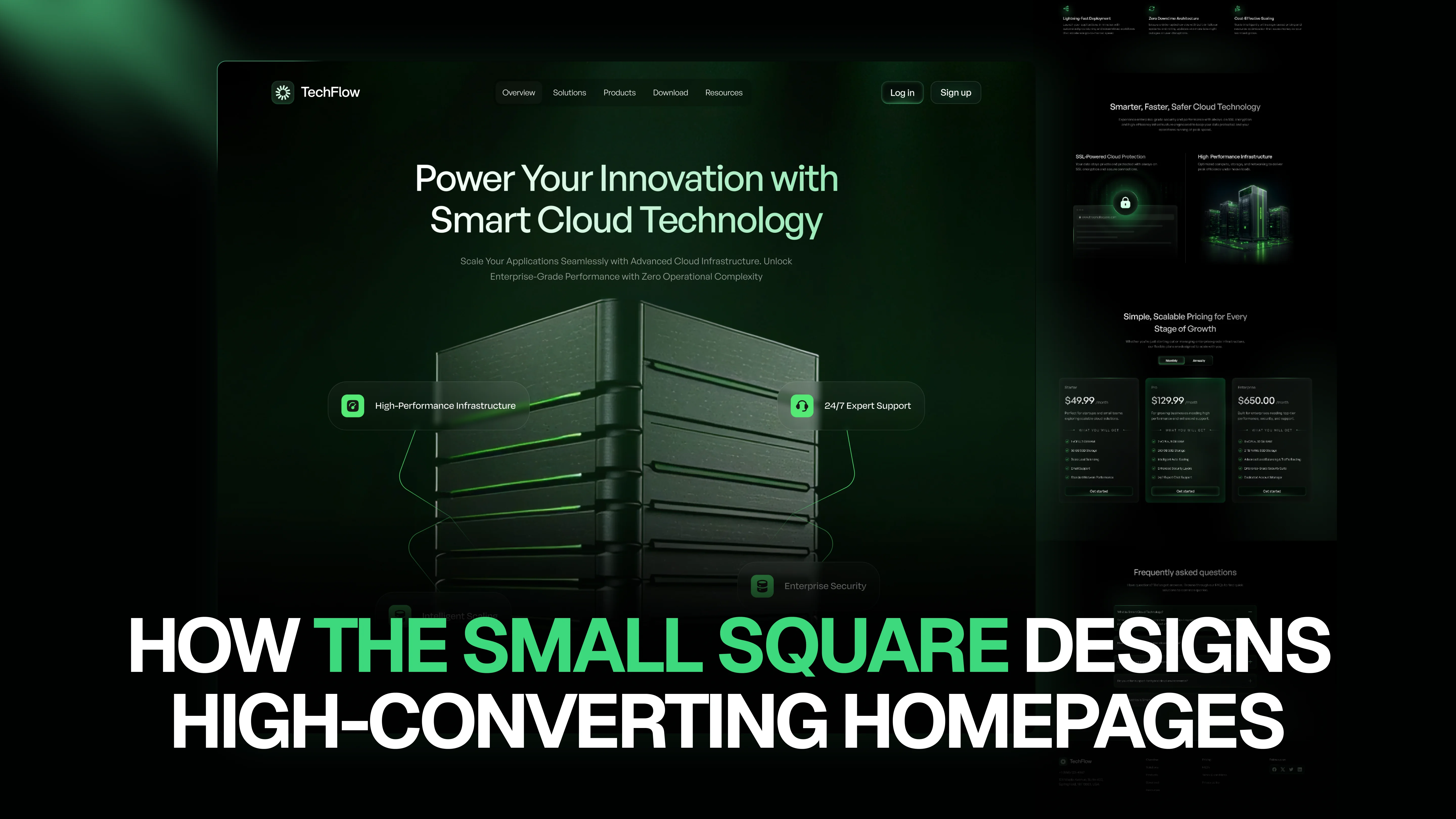
In today’s digital-first world, a homepage is more than just an introduction — it’s your strongest conversion tool. A well-designed homepage guides users, builds trust, and pushes them toward action within seconds. That’s why successful brands invest in strategy-driven design rather than just visuals.
At a high level, conversion-focused homepages combine user psychology, data, and design. By aligning layout, messaging, and performance, businesses offering custom web development services can turn visitors into qualified leads and paying customers.
In this blog, we’ll break down how high-converting homepages are designed and what makes them truly effective.
1. Clear Value Proposition Above the Fold
Visitors decide within seconds whether to stay or leave. That decision is driven by how clearly your value is communicated.
A high-converting homepage immediately answers three questions:
- What does this brand do?
- Who is it for?
- Why should I care?
Strong headlines, concise subtext, and a focused call-to-action ensure users understand the offer without scrolling. Clarity always converts better than cleverness.
2. User-Centered Design That Guides Action
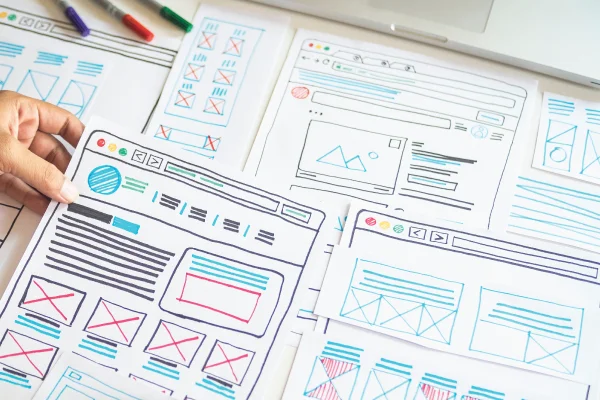
Design isn’t just about aesthetics — it’s about direction.
Effective homepages guide users visually through:
- Strategic content hierarchy
- Intentional spacing and contrast
- Clear buttons and interactive elements
Every section is placed with a purpose, leading users toward the next logical step. This is especially important for brands providing saas development services, where complex offerings must feel simple and intuitive.
3. Conversion-Focused Content Structure
Content plays a major role in homepage performance.
Instead of long paragraphs, high-performing homepages use:
- Scannable sections
- Benefit-driven copy
- Short explanations paired with visuals
This structure helps users quickly understand features, outcomes, and advantages. Social proof such as testimonials, client logos, or case highlights further builds trust and reduces hesitation.
4. Speed, Performance, and Responsiveness
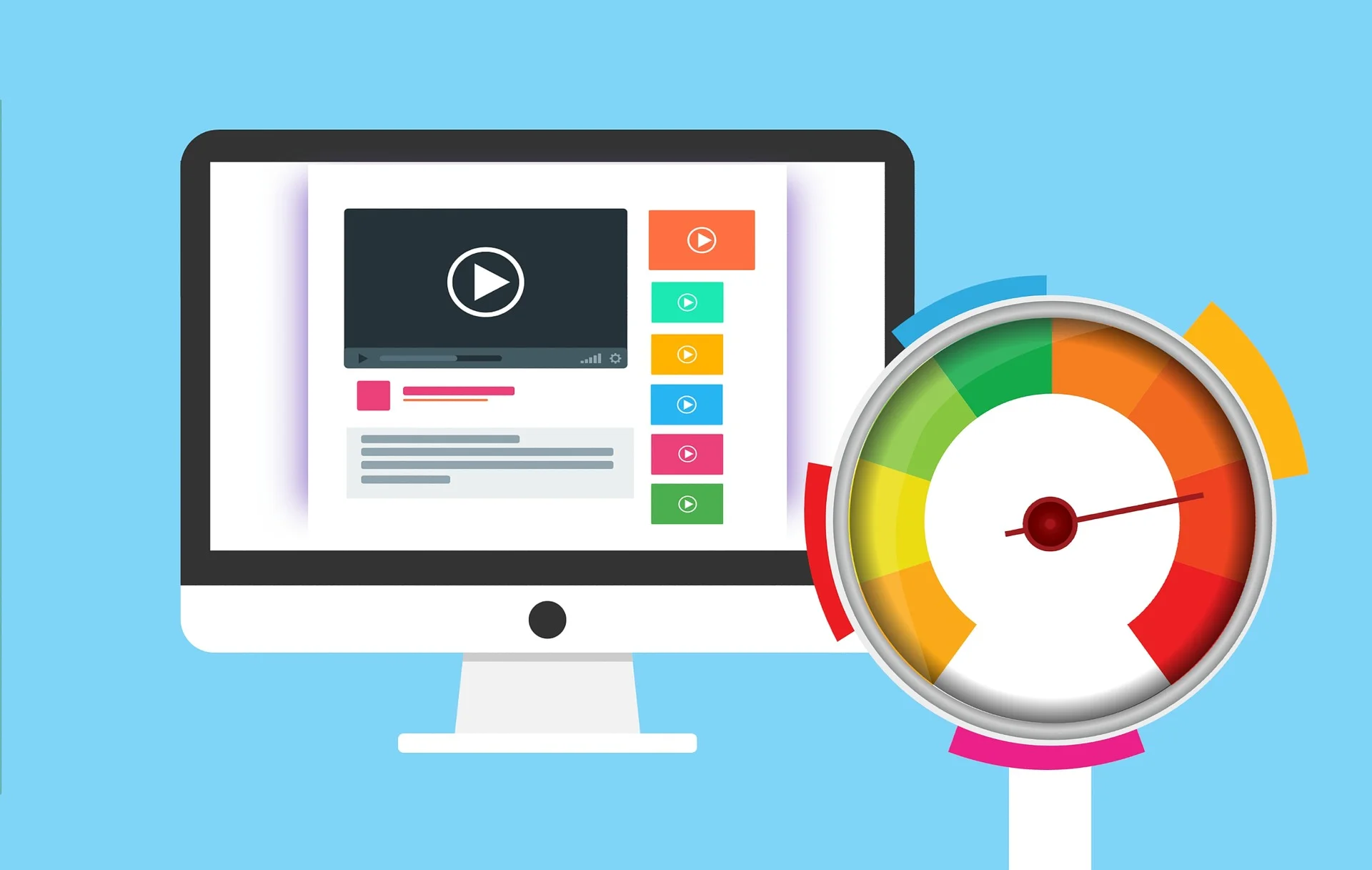
No matter how good the design is, a slow homepage will lose conversions.
High-converting homepages are optimized for:
- Fast loading times
- Mobile responsiveness
- Smooth interactions
Performance optimization ensures users stay engaged, especially on mobile devices where attention spans are shorter. A seamless experience increases both engagement and conversion rates.
5. Strategic CTAs That Don’t Feel Pushy
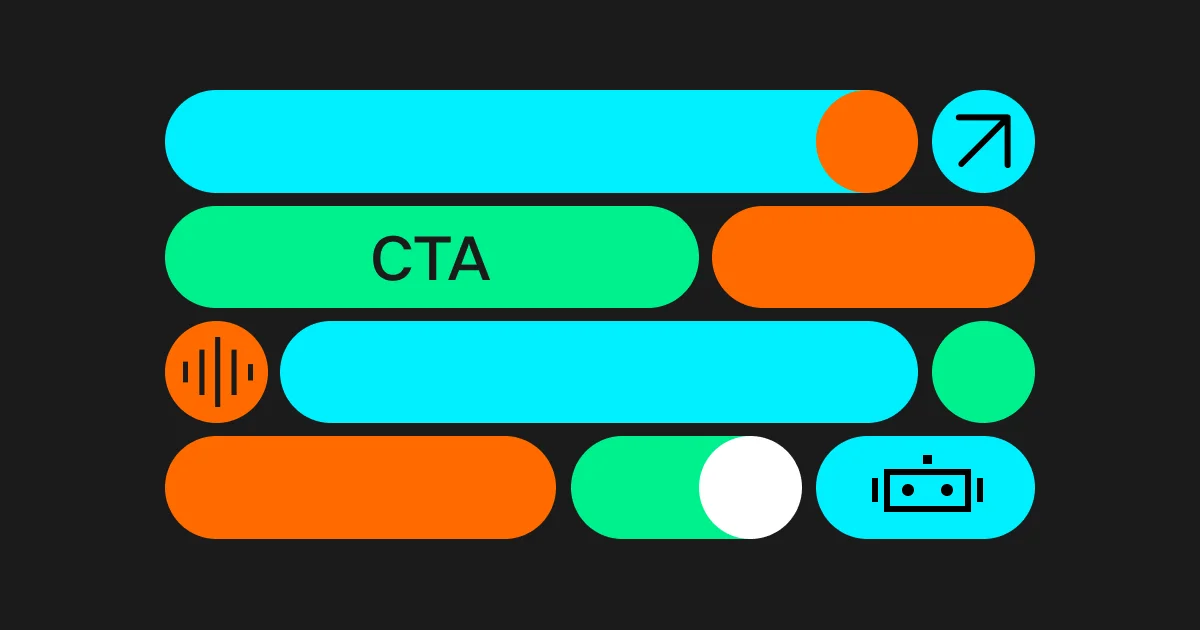
Calls-to-action should feel helpful, not aggressive.
Instead of repeating the same CTA everywhere, effective homepages:
- Match CTAs to user intent
- Use action-oriented but friendly language
- Offer low-friction next steps
Whether it’s “Get Started,” “View Work,” or “Book a Call,” each CTA is placed where users are most likely to act.
6. Data-Driven Iteration and Testing
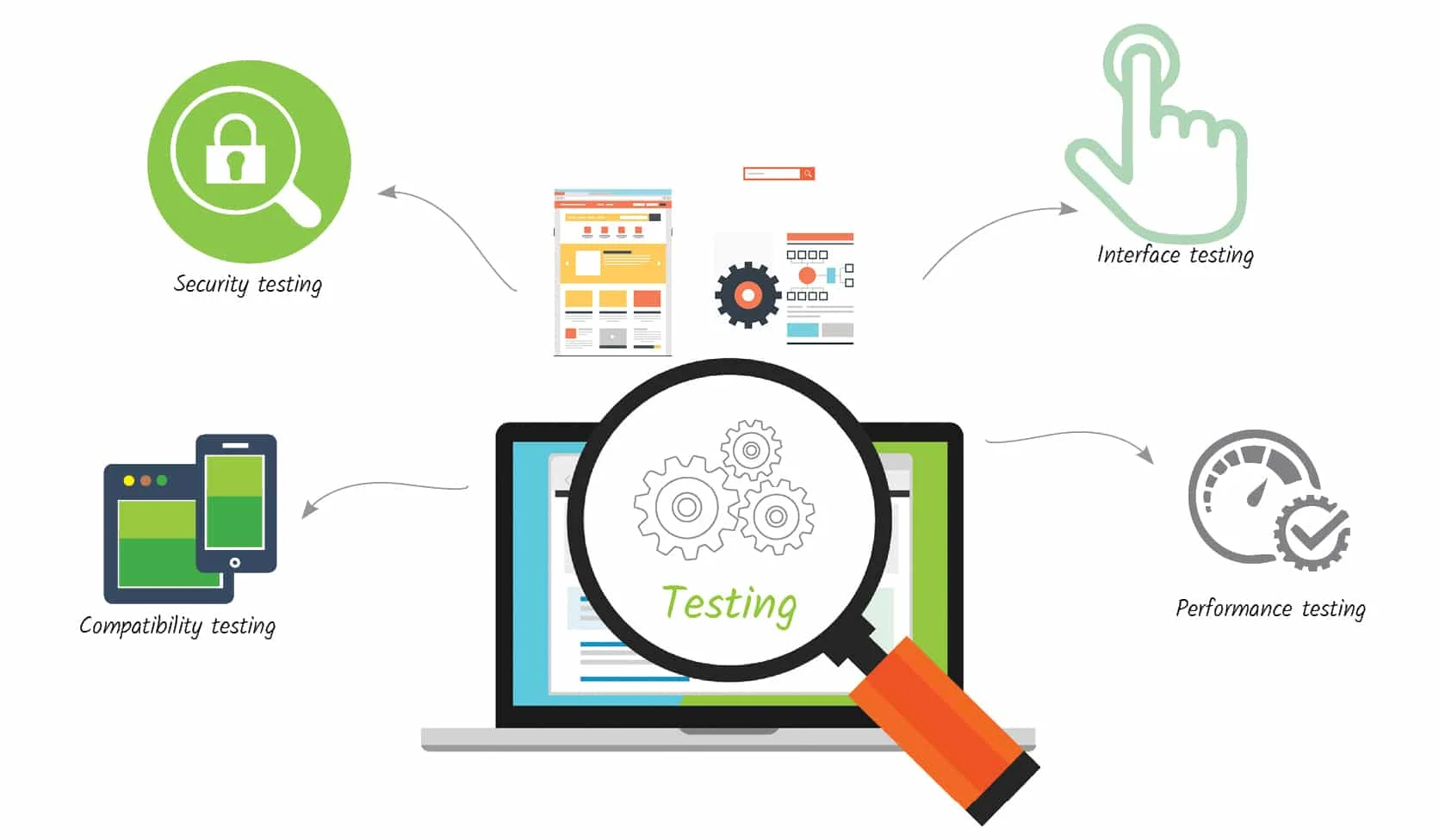
A homepage is never truly finished.
High-converting designs are continuously improved using:
- User behavior data
- Heatmaps and scroll tracking
- A/B testing
These insights reveal what’s working and what’s not, allowing teams to refine layouts, messaging, and conversion paths over time.
Conclusion
Designing a high-converting homepage requires more than good visuals — it demands strategy, clarity, performance, and user understanding. Every element must work together to guide visitors toward meaningful action.
At The Small Square, homepage design is treated as a conversion engine, not just a design task. By combining thoughtful UX, strong messaging, and performance optimization, The Small Square helps brands turn traffic into results through purposeful and scalable digital experiences.



Accepted Payments

