5+ Ways to Use ChatGPT’s New Image Generator
The latest image generation capabilities of ChatGPT are turning heads across the creative industry. Designers, marketers, and content creators are already talking about how powerful—and disruptive—these tools are. Those who ignore them may quickly fall behind.
This shift doesn’t mean creativity is disappearing. It means the way we create visuals is evolving fast. Designers who adapt and integrate AI into their workflow will level up. Those who don’t risk becoming irrelevant.
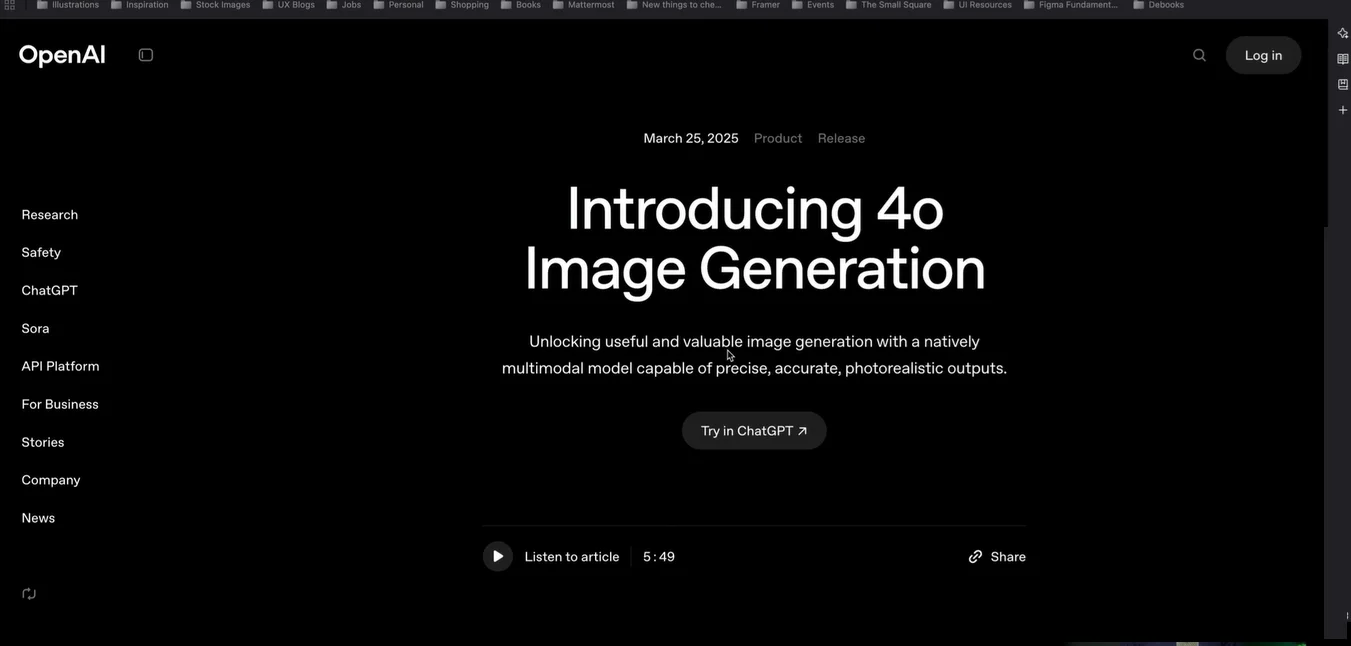
Let’s look at the most practical and valuable ways ChatGPT’s image generation can be used in real-world business and creative work.
1. AI-Generated Ads in Seconds
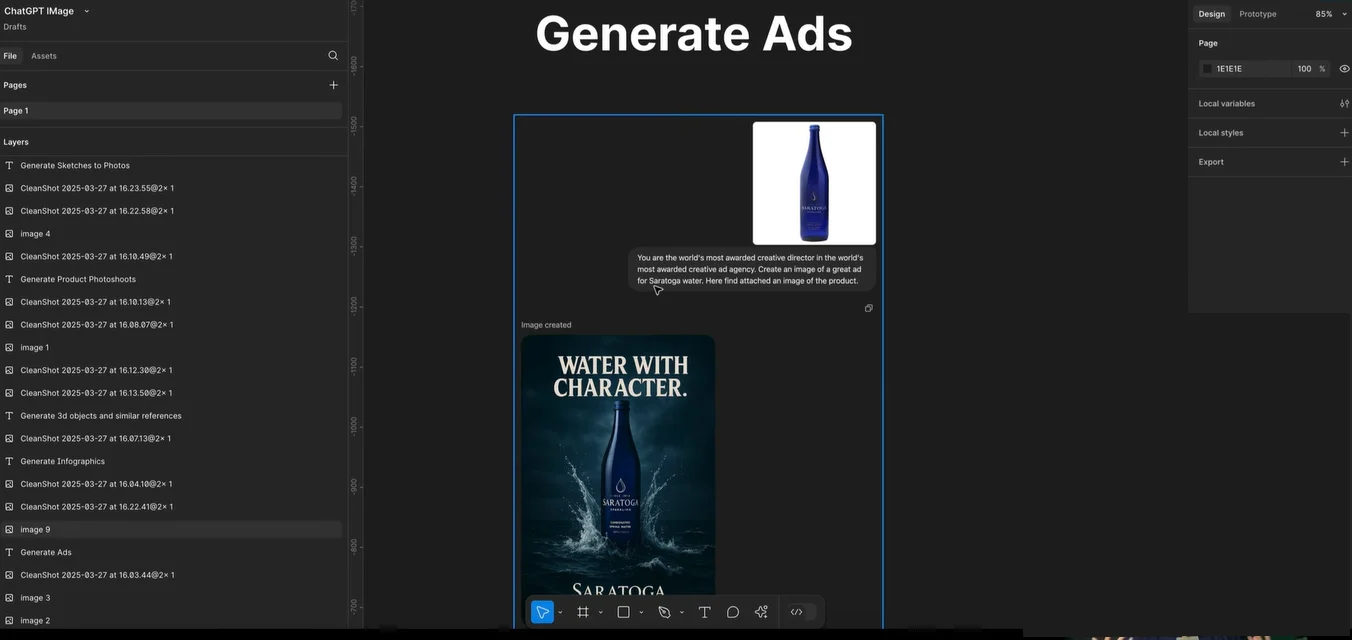
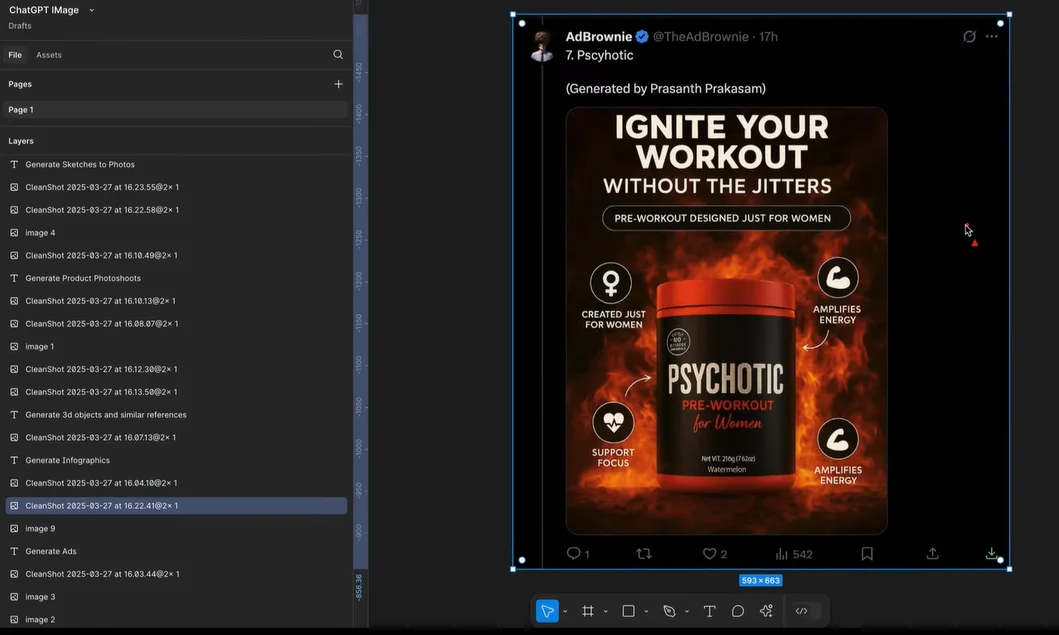
One of the most powerful use cases is ad creation.
Instead of spending hours briefing designers or setting up shoots, you can simply provide ChatGPT with a product image—or even just a product description—and ask it to generate ad visuals. The results feel almost magical.
You can:
- Generate full ad creatives from a single product image
- Ask for different styles, moods, or backgrounds
- Create visuals suitable for social media, display ads, or landing pages
While alignment and typography may not always be perfect, the artwork itself is strong enough to be used directly or refined further. What once took days can now be done in seconds.
2. AI-Powered Product Photoshoots
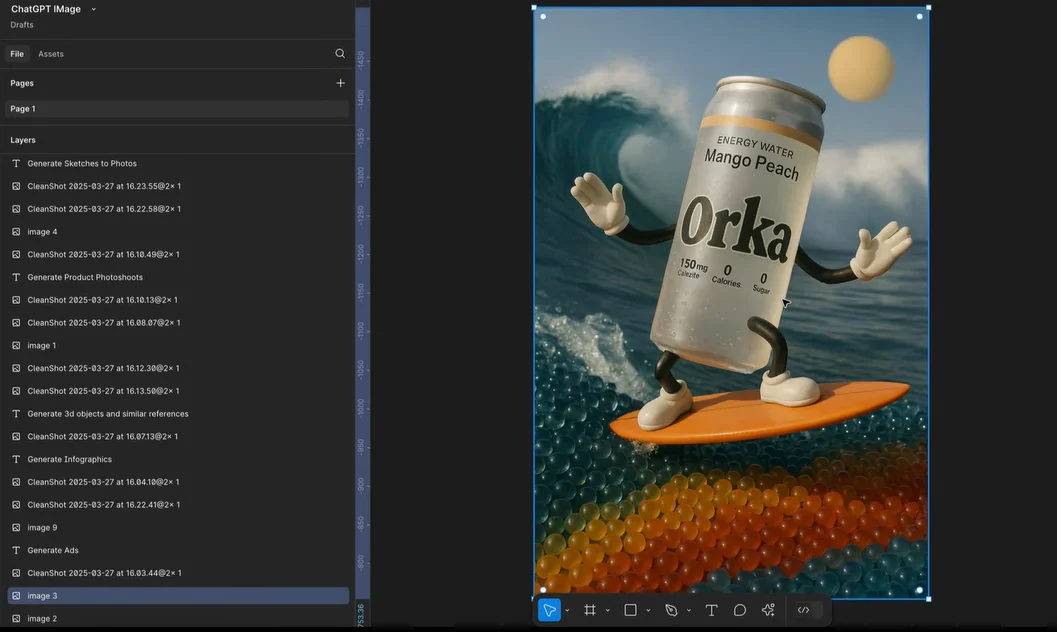
ChatGPT can now simulate professional product photo shoots without a studio.
By uploading a basic product image—or even a 2D render—you can ask ChatGPT to:
- Create luxury-style photo shoots
- Change backgrounds and environments
- Add realistic lighting, reflections, and props
- Generate high-end visuals for e-commerce or ads
For example, even low-quality images like remote controls or everyday tools can be transformed into premium-looking product visuals. The level of realism, including textures and water droplets, is surprisingly impressive.
3. Editing, Replacing, and Enhancing Existing Images
Another standout feature is spatial understanding.
You can:
- Replace text on images
- Change colors and materials
- Place labels on physical products
- Swap backgrounds while preserving perspective
This makes ChatGPT extremely useful for marketing teams that need quick iterations without going back and forth with designers.
4. Turning Sketches Into Realistic Images
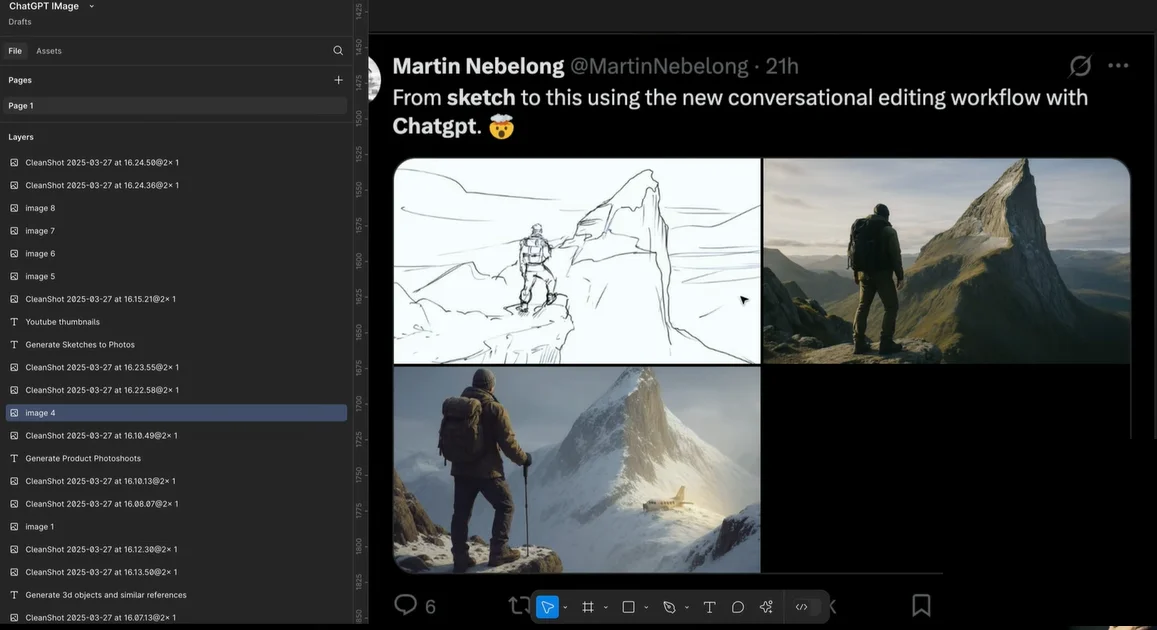
Have a rough sketch or wireframe? ChatGPT can convert it into:
- A realistic image
- A 3D-style render
- A polished concept visual
This is especially useful for early-stage ideas, product concepts, or creative brainstorming where speed matters more than perfection.
5. YouTube Thumbnails That Actually Convert
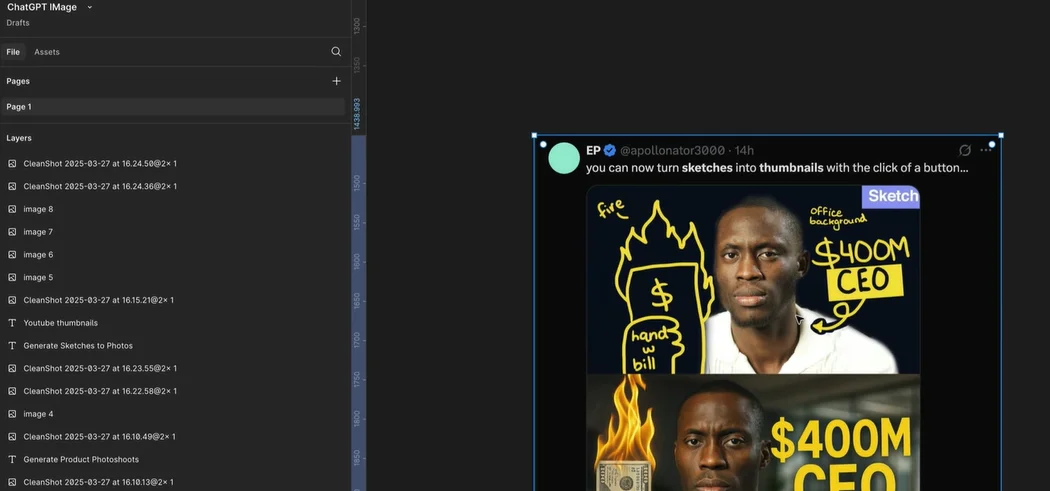
YouTube thumbnail creation is another area being reshaped.
With a simple prompt—and optionally a reference image—you can generate:
- High-contrast thumbnails
- Emotion-driven visuals
- Click-worthy layouts
Thumbnail creators will either adapt and produce better work faster—or struggle to compete. The upside? Creators can now test multiple thumbnail styles without heavy design costs.
6. Infographics and Visual Explanations
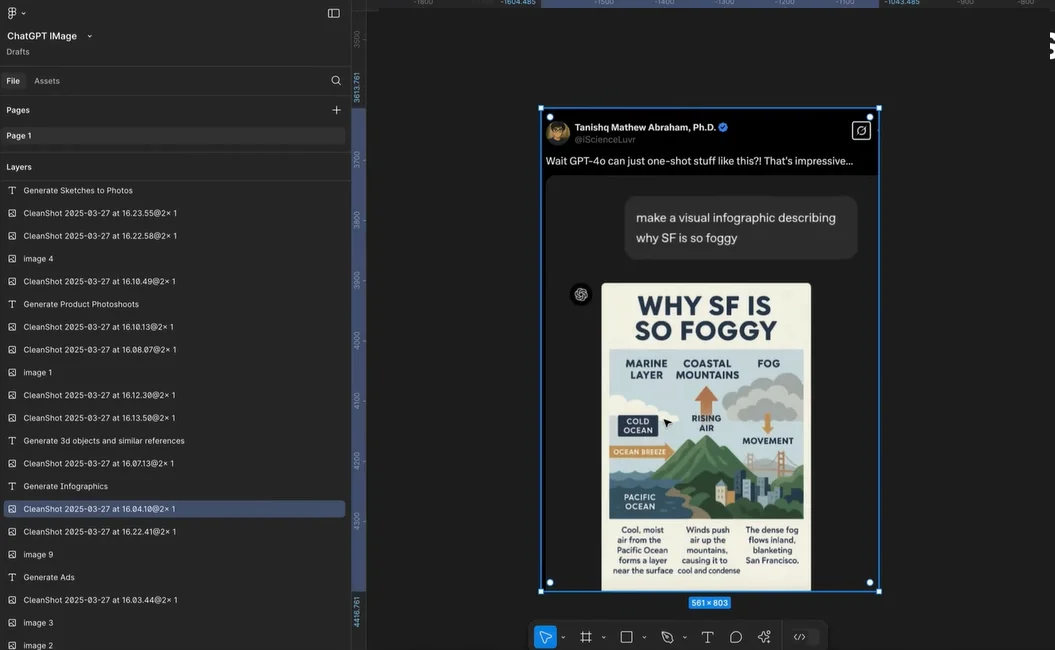
ChatGPT can also generate infographics.
Because it understands context, it can:
- Visually explain complex topics
- Create educational graphics
- Generate history or data-based visuals in one shot
This opens new possibilities for blogs, presentations, and educational content.
7. Creating Consistent Design Libraries
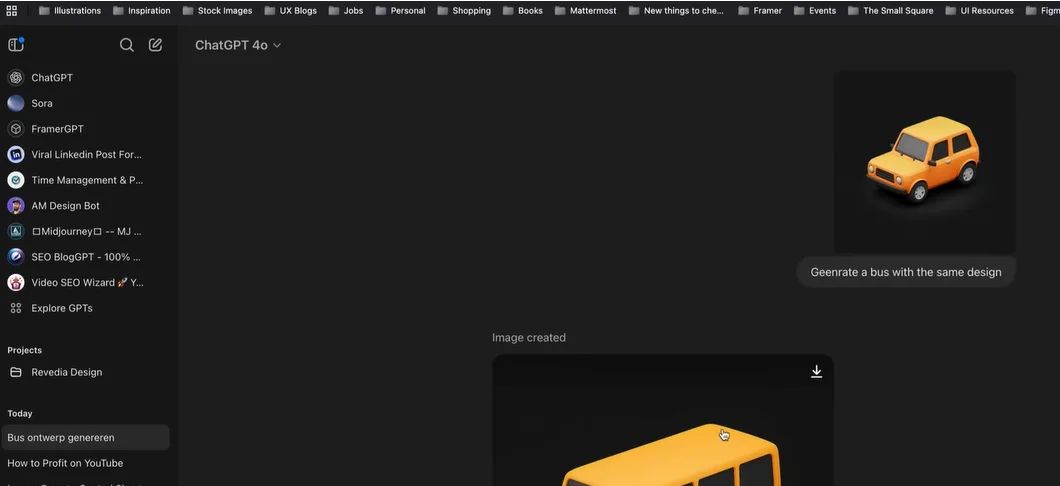
One underrated feature is style consistency.
You can reference a design—like a car—and ask ChatGPT to generate:
- A bus in the same style
- An ambulance with matching aesthetics
- A plane or other assets using the same design language
This makes it possible to build a complete visual asset library for a brand or client, all with consistent design logic.
8. Advanced Image Editing With Context Awareness
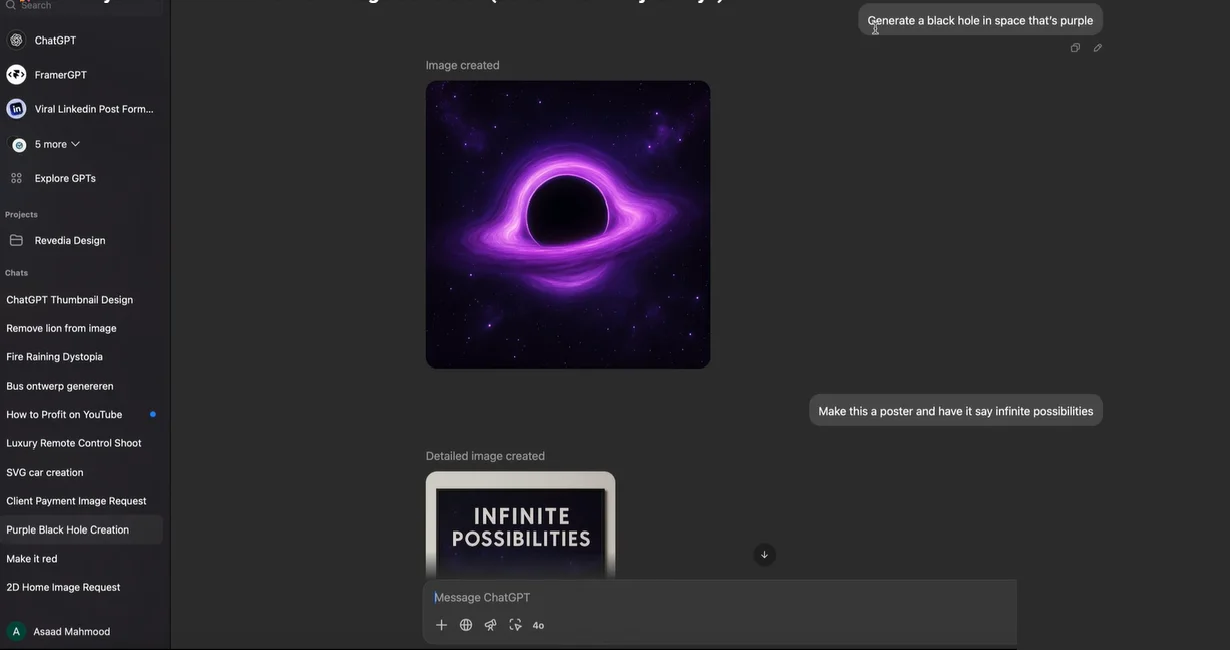
Beyond basic image creation, ChatGPT understands what’s happening inside an image.
For example, you can:
- Replace objects while keeping perspective intact
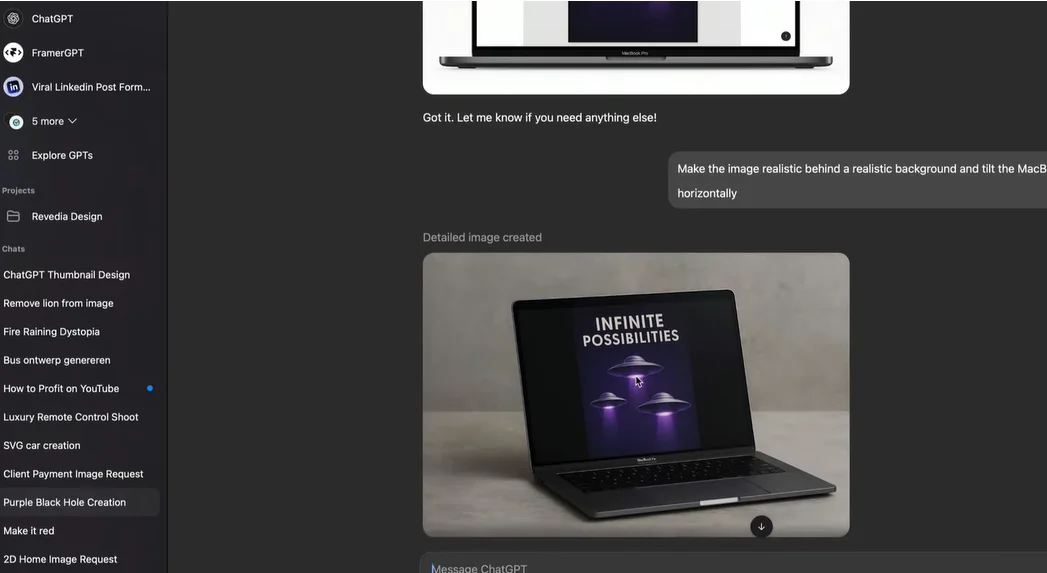
- Tilt products at specific angles
- Add realistic reflections, surfaces, or environments
- Modify scenes step-by-step without starting over
This level of contextual awareness is what truly sets it apart from older image tools.
9. What This Means for Designers and Marketers
This technology doesn’t replace creativity—it accelerates it.
Designers who:
- Learn prompt engineering
- Use AI for ideation and drafts
- Focus on strategy and refinement
will be more valuable than ever.
Marketers can now:
- Produce creatives faster
- Test more variations
- Reduce costs without sacrificing quality
Final Thoughts: Adapt or Fall Behind
ChatGPT’s image generation is not a gimmick. It’s a fundamental shift in how visual content is created.
In the next 1–5 years, this technology will only improve. The most successful professionals won’t fight it—they’ll master it.
If you’re serious about staying relevant in design, marketing, or content creation, now is the time to level up contact The Small Square.
With our proven expertise and dedicated approach, we’ll help you create a product that not only meets but exceeds your users’ expectations. Let’s work together to turn your vision into reality.



Accepted Payments

